





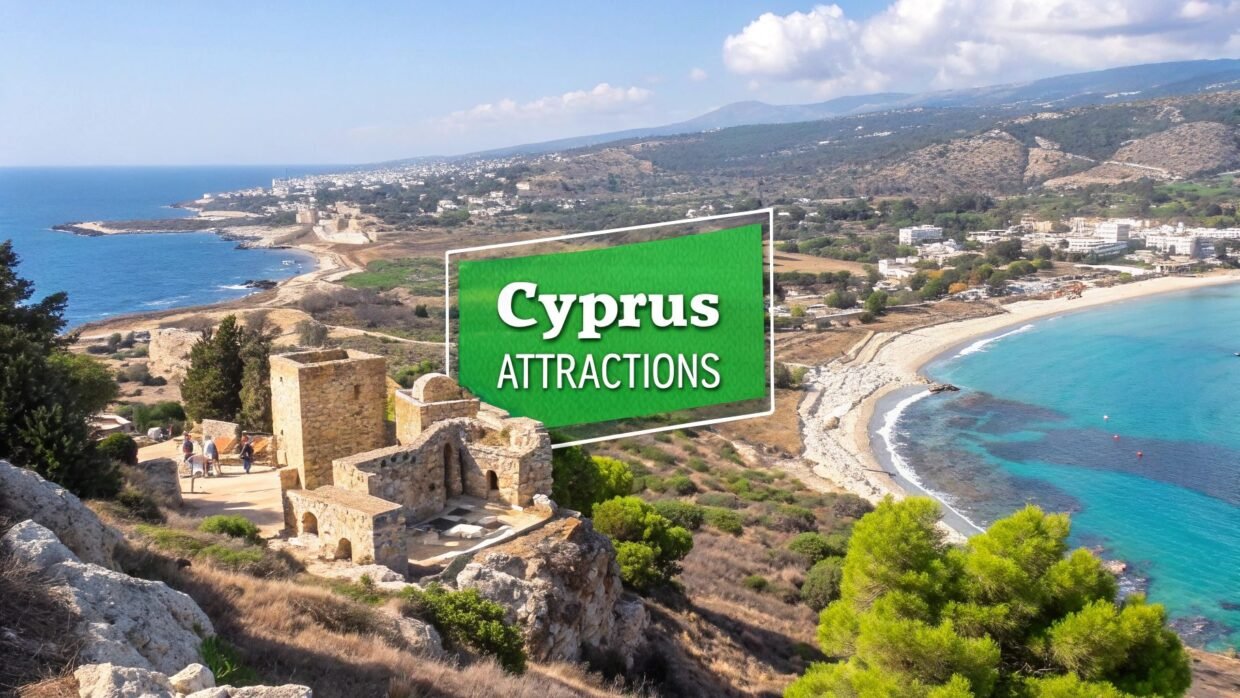
Welcome to Cyprus, an island where myth and history intertwine under the Mediterranean sun. More than just a beach destination, Cyprus offers a staggering variety of landscapes and historical layers waiting to be explored. From the sun-drenched ruins of ancient kingdoms to the cool, pine-scented trails of the Troodos Mountains, the island is a treasure trove of unforgettable experiences.
This guide moves beyond simple descriptions to offer a curated journey through the most compelling attractions of Cyprus. We provide not just the 'what' but the 'how' – insider tips, practical advice, and unique perspectives to help you craft an extraordinary itinerary. We'll uncover the best times to visit the mosaics of Paphos, reveal the most scenic hiking routes in the Troodos, and share secrets for navigating Nicosia's historic Green Line.
Whether you're a history enthusiast eager to walk through ancient amphitheatres, a nature lover seeking pristine lagoons, or a sun-seeker searching for the perfect sandy shore, this list is your starting point. Prepare to discover the authentic soul of Aphrodite's captivating isle, with actionable insights designed for the modern traveller. Let's delve into the essential sites that define this remarkable Mediterranean gem.
1. Paphos Archaeological Park
Step back in time at the Kato Paphos Archaeological Park, a sprawling UNESCO World Heritage site that offers an unparalleled glimpse into ancient life. Located near the picturesque Paphos harbour, this open-air museum is one of the most significant attractions of Cyprus, showcasing remains from prehistoric times through to the Middle Ages. Its most celebrated features are the magnificent Roman villas, whose intricate and remarkably well-preserved mosaic floors depict elaborate scenes from Greek mythology.
The park is a vast complex that includes several key sites. The House of Dionysus, for instance, contains a stunning collection of mosaics chronicling the god of wine, while the House of Aion and the House of Orpheus offer equally breathtaking artistic treasures. Beyond the villas, you can explore the ruins of the ancient Odeon, a 2nd-century amphitheatre still used for performances, and the Saranta Kolones, a Byzantine-era fortress.
Insider Tips for Your Visit
- Timing is Everything: Visit early in the morning (just after it opens at 8:30 am) or late in the afternoon to avoid the midday sun and the largest tour groups. The light is also better for photography during these times.
- Essential Gear: The site is expansive and exposed. Comfortable walking shoes are a must, along with a hat, sunglasses, and high-SPF sun cream. Bringing a water bottle is also highly recommended.
- Combine and Conquer: Maximise your day by pairing your visit with a stroll around the adjacent Paphos Harbour and a tour of the medieval Paphos Castle, both just a few minutes' walk away. Allocate at least 3-4 hours to do the park justice without rushing.
2. Troodos Mountains
Escape the coastal heat and discover the green heart of Cyprus in the Troodos Mountains, the island's largest mountain range. This stunning region offers a refreshing alpine climate, dense pine forests, and a glimpse into traditional Cypriot life, making it one of the most diverse attractions of Cyprus. It's a world away from the sun-drenched beaches, where charming stone-built villages nestle on terraced slopes and ancient monasteries cling to mountainsides.
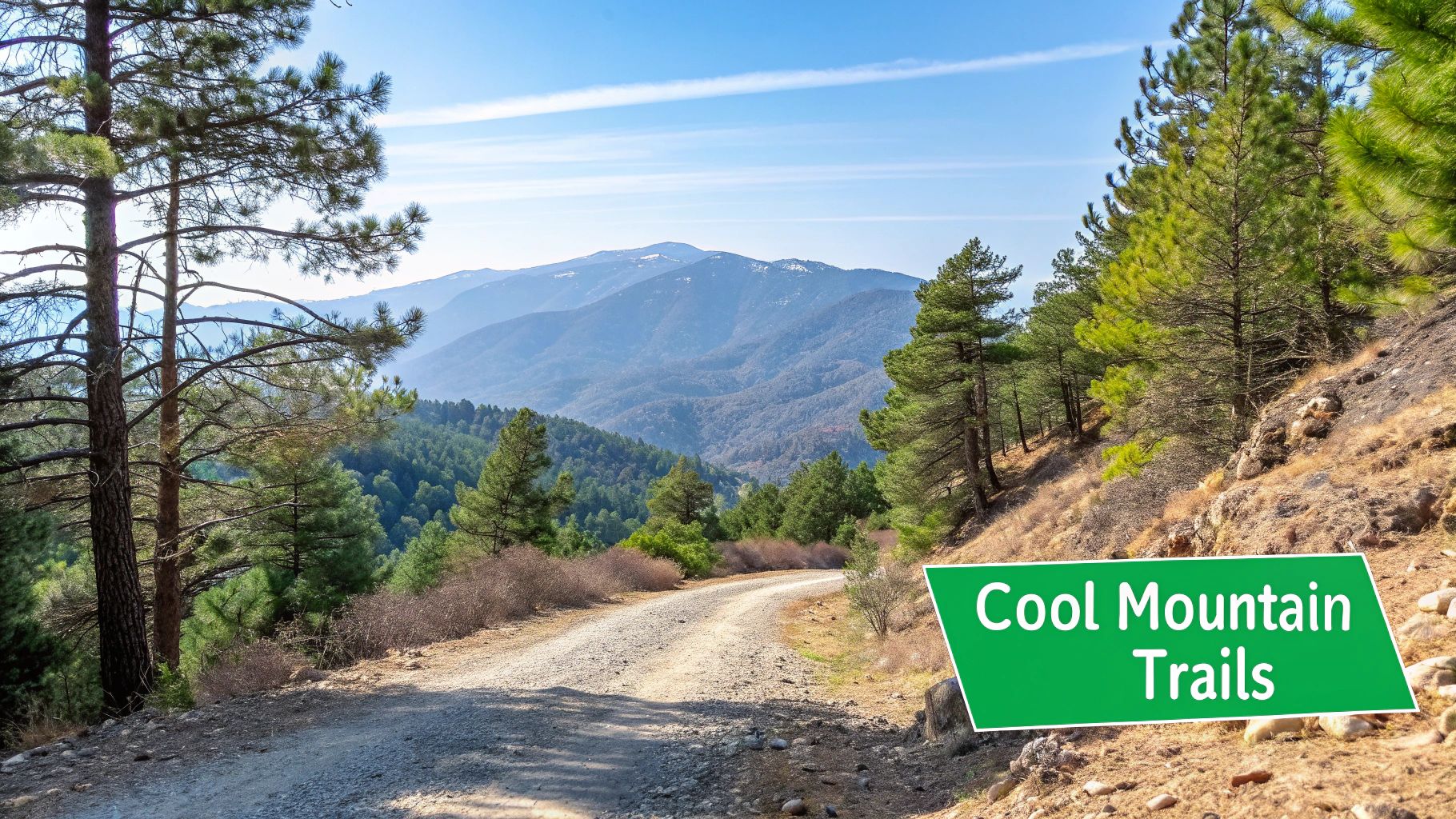
The area is most famous for its ten UNESCO-listed Byzantine churches, renowned for their vibrant, well-preserved medieval frescoes. Beyond its historical treasures, the Troodos range is a haven for nature lovers, offering extensive hiking and cycling trails that wind past waterfalls and panoramic viewpoints. During winter, the slopes of Mount Olympus even transform into a modest ski resort, showcasing the island's year-round appeal.
Insider Tips for Your Visit
- Explore with Freedom: Renting a car is the best way to explore the winding mountain roads at your own pace. This gives you the flexibility to stop at scenic viewpoints and discover hidden villages like Omodos, Kakopetria, and Platres.
- Dress in Layers: The mountain climate can be unpredictable. Even on a hot day, temperatures can drop significantly with altitude and in the evenings, so packing layers of clothing is essential for comfort.
- Taste the Mountains: Don't miss the opportunity to dine at a traditional village taverna. Sample local specialities like grilled halloumi, kleftiko (slow-cooked lamb), and mountain trout, often accompanied by locally produced wine. For a comprehensive guide, explore the charming villages of the Troodos Mountains.
3. Kyrenia Castle
Dominating the picturesque harbour of its namesake town, Kyrenia Castle is a magnificent fortress offering a deep dive into the island's layered history. Located on the northern coast of Cyprus, this remarkably well-preserved structure showcases a blend of Byzantine, Lusignan, Venetian, and Ottoman architectural influences. Its formidable walls enclose a complex courtyard, chapels, and dungeons, providing a tangible sense of its medieval past and making it one of the most striking attractions of Cyprus.
The castle's crowning jewel is the Shipwreck Museum, which houses the astonishingly intact remains of a 4th-century BC Greek merchant ship, one of the oldest ever recovered from the seabed. The museum displays the ship's hull along with its original cargo of wine amphorae and almonds. Visitors can explore the vast ramparts, which offer panoramic views of the harbour on one side and the Kyrenia mountain range on the other, truly connecting them with centuries of maritime history.
Insider Tips for Your Visit
- Plan Your Crossing: As Kyrenia is in the Turkish-controlled north, check the latest border crossing requirements from the Republic of Cyprus before you travel. Ensure you have the necessary identification, such as a passport.
- Sunset Views: For the most breathtaking photographs, climb the ramparts just before sunset. The golden hour light casts a dramatic glow over the historic harbour and the Mediterranean Sea.
- Museum First: Head straight to the Shipwreck Museum upon arrival to see its incredible centrepiece before the larger tour groups arrive, allowing for a more intimate viewing experience.
- Complete the Experience: Allocate 2-3 hours for the castle itself, then combine your visit with a leisurely walk around the U-shaped Kyrenia harbour, finishing with a meal at one of the many waterfront restaurants.
4. Larnaca Salt Lake
Experience one of Cyprus’s most enchanting natural wonders at the Larnaca Salt Lake, a complex of four interconnected salt lakes that form a crucial wetland habitat. Located just southwest of Larnaca city, this hypersaline lake system transforms dramatically with the seasons, attracting thousands of migratory birds, most famously the Greater Flamingo. During the winter, the lakes fill with water, creating a stunning pink-hued mirror that reflects the sky and the iconic Hala Sultan Tekke mosque on its banks.

This vital ecosystem is a protected area and one of the most important attractions of Cyprus for nature lovers and birdwatchers. The arrival of flamingos creates a spectacular sight as they feed on brine shrimp, which gives them their distinctive pink colour. In the summer months, the water evaporates completely, leaving a thick, glistening crust of salt and creating an almost lunar landscape. The surrounding area also features walking trails, making it a peaceful escape for a stroll with breathtaking views.
Insider Tips for Your Visit
- Flamingo Season: To witness the magnificent flamingo flocks, plan your visit between November and March. This is when thousands of birds use the lake as a wintering ground.
- Optimal Timing and Gear: Arrive in the early morning for the best light, fewer crowds, and more active birds. Bring binoculars or a telephoto lens for a closer look, and wear neutral-coloured clothing to avoid startling the wildlife.
- Explore the Surroundings: Enhance your trip by visiting the Hala Sultan Tekke, an important Islamic shrine located on the lake's edge. Also consider a short drive to the nearby Church of Panagia Angeloktisti in Kiti, famed for its rare 6th-century mosaic.
5. Kourion Archaeological Site
Perched dramatically on coastal cliffs overlooking the Mediterranean Sea, the ancient city-kingdom of Kourion is a breathtaking archaeological site that masterfully blends history with natural beauty. This sprawling Greco-Roman ruin offers a comprehensive journey into Cyprus's past, from Hellenistic times to the early Christian period. Its centrepiece is the magnificent theatre, which has been beautifully restored and still hosts open-air musical and theatrical performances, offering an unforgettable cultural experience.
The site is vast, featuring the remains of grand villas with stunning mosaic floors, such as the 'House of Achilles' and the 'House of the Gladiators'. You can also explore the ruins of an early Christian Basilica, the Nymphaeum (a sacred spring sanctuary), and the public baths, all providing a vivid picture of ancient urban life. As one of the most impressive attractions of Cyprus, Kourion's combination of well-preserved structures and its spectacular seaside setting makes it an essential stop for any history enthusiast.
Insider Tips for Your Visit
- Attend a Performance: If your visit coincides with the summer months, check the schedule for performances at the ancient theatre. Watching a play or concert under the stars in this historic venue is a truly magical experience.
- Sturdy Footwear is Key: The terrain at Kourion is uneven and rocky in places. Wear comfortable, sturdy walking shoes or hiking sandals to explore the expansive site safely and comfortably. Sun protection is also vital.
- Go Beyond the Theatre: While the theatre is the main draw, don't miss the smaller, less-crowded villas. The intricate mosaics and layouts provide a more personal insight into the daily lives of Kourion's wealthy Roman inhabitants. Allocate at least 2-3 hours to see everything.
6. Blue Lagoon (Akamas Peninsula)
Escape to the Blue Lagoon in the Akamas Peninsula, an almost surreal bay of brilliant turquoise water that stands as one of the most breathtaking natural attractions of Cyprus. Tucked away on the island's northwest coast, this secluded paradise is renowned for its crystal-clear, calm waters, making it an idyllic spot for swimming and snorkelling. The dramatic, unspoiled landscape of the surrounding nature reserve adds to its wild and untouched beauty, offering a pure Mediterranean experience away from the bustling resorts.
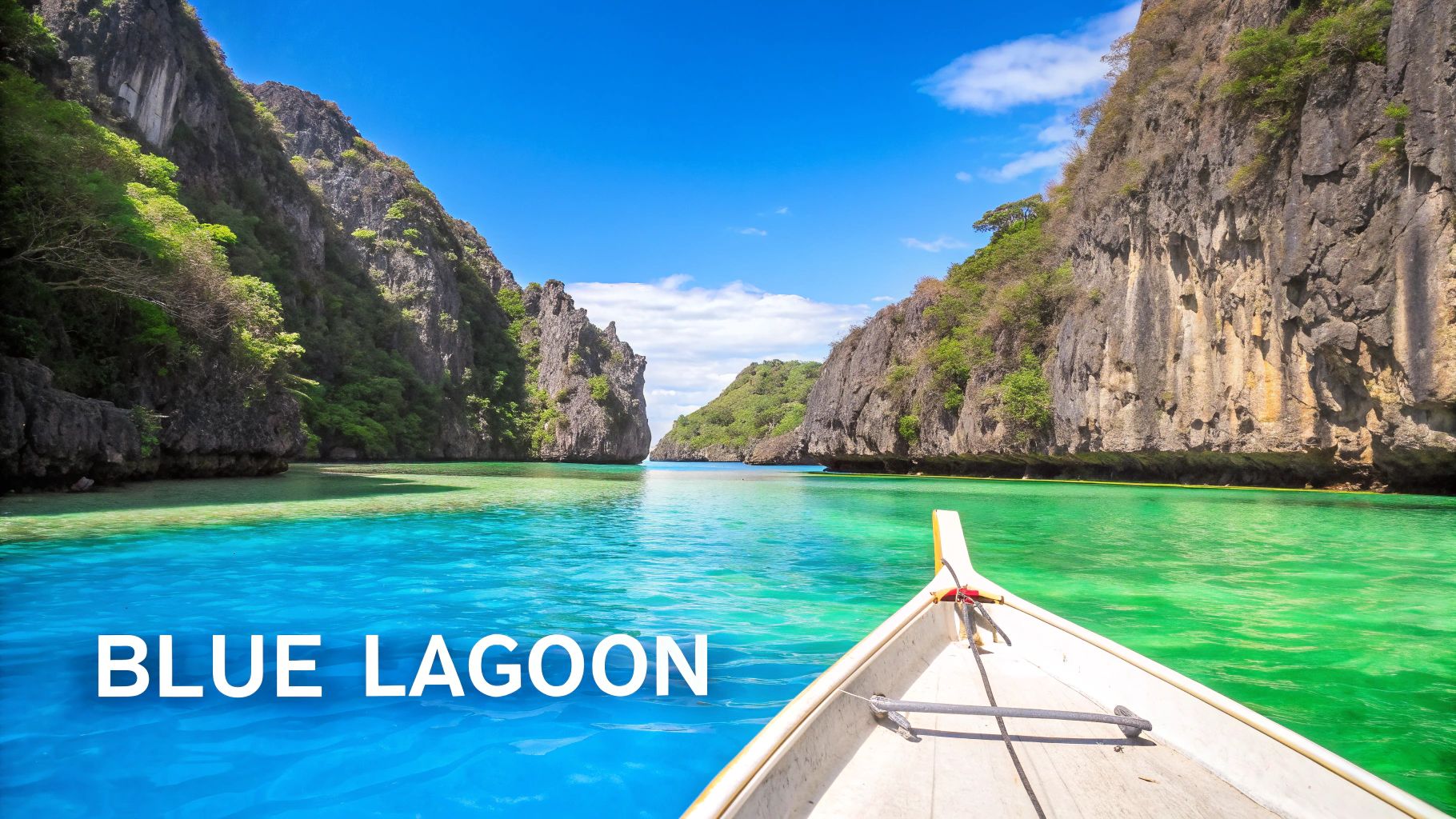
As the lagoon is accessible only by boat or a rugged 4×4 track, reaching it is part of the adventure. Regular boat tours depart from Latchi harbour, often including swim stops and refreshments, providing the easiest and most popular way to visit. Once there, you can dive into the warm, shallow sea, explore the vibrant underwater life, and simply float while soaking up the magnificent coastal scenery. Its remote location ensures the water quality is pristine, creating a natural swimming pool of unparalleled clarity.
Insider Tips for Your Visit
- Book Ahead: During the peak summer months (July-August), boat trips fill up quickly. Book your tour at least a day or two in advance to secure your spot and avoid disappointment.
- Go Early: Opt for an early morning boat trip. The water is often at its calmest, the sunlight is perfect for photography, and you'll arrive before the biggest crowds, giving you a more peaceful experience.
- Pack Accordingly: There are no facilities at the lagoon. You must bring your own food, plenty of water, high-SPF sun cream, a hat, and towels. Bringing your own snorkelling gear is also a great idea.
- Check the Weather: Boat trips are weather-dependent. Always check the forecast before you go, as strong winds or rough seas can lead to cancellations. The journey itself is a key part of the experience, as you can learn more about the Akamas Peninsula on saycyprus.com.
7. Nicosia's Old Walled City
Experience the unique atmosphere of Europe's last divided capital by exploring Nicosia's Old Walled City. Encased within magnificent 16th-century Venetian walls, this historic heart of Cyprus is a captivating maze of narrow streets, ancient churches, and Ottoman-era mosques. The city's most defining feature is the "Green Line," a UN-patrolled buffer zone that physically separates the southern, Republic of Cyprus-controlled sector from the northern, Turkish Cypriot-administered sector, offering a profound lesson in modern history.
Wandering through the southern part reveals vibrant hubs like Ledra Street, filled with bustling cafes and shops, leading directly to the main checkpoint. On the northern side, you'll discover the Büyük Han, a beautifully restored caravanserai, and the Selimiye Mosque, a stunning example of Gothic architecture converted from a cathedral. This blend of cultures, architectures, and political realities makes Nicosia one of the most compelling attractions of Cyprus, providing a truly one-of-a-kind urban exploration.
Insider Tips for Your Visit
- Guided Insight: Consider hiring a local guide who is well-versed in the city's complex political history. They can provide invaluable context that brings the streets and landmarks to life in a way a guidebook cannot.
- Crossing the Line: Exploring both sectors is a must for the full experience. Bring your passport or EU ID card to cross the Ledra Street checkpoint. Be respectful and mindful of local sensitivities on both sides.
- Photography Etiquette: Be aware that photography and filming are often restricted around military checkpoints and the Green Line itself. Always look for signs and err on the side of caution to avoid issues.
- Full-Day Immersion: To properly absorb the distinct character of both sides, allocate a full day. This gives you time to visit key museums like the Leventis Municipal Museum and still have time to enjoy a traditional coffee or browse the markets at a relaxed pace.
8. Ayia Napa Monastery and Beaches
Experience a unique blend of tranquil history and vibrant beach life at Ayia Napa, a destination famed for more than just its nightlife. At its heart lies the serene 16th-century Ayia Napa Monastery, a charming Venetian-era stone building built around a cave. This peaceful oasis, with its tranquil courtyard and ancient sycamore tree, offers a stark, beautiful contrast to the bustling modern resort that surrounds it, making it one of the most multifaceted attractions of Cyprus.
Just steps from this historic sanctuary, you'll find some of Europe's most celebrated coastlines. The area is a gateway to iconic stretches of sand like the world-famous Nissi Beach, known for its turquoise, shallow waters and lively atmosphere. Whether you seek vibrant beach clubs and water sports or prefer to find a quieter, more secluded cove, the Ayia Napa coast delivers a quintessential Mediterranean beach experience, perfectly complementing its hidden cultural gem.
Insider Tips for Your Visit
- Monastery Magic: Visit the monastery early in the morning (around 9:00 am) to experience its serene atmosphere before the crowds arrive. The quiet courtyard is particularly atmospheric at this time.
- Beyond Nissi: While Nissi Beach is a must-see, explore nearby alternatives like Makronissos Beach for a slightly calmer vibe with equally beautiful sand and water, or Konnos Bay for stunning scenery.
- Plan Ahead: During peak season, book popular water sports activities or boat trips in advance to secure your spot and avoid disappointment. Visiting in the shoulder seasons (May-June or September-October) offers a perfect balance of great weather and fewer people.
9. Famagusta's Varosha
Witness a surreal and poignant chapter of modern history at Varosha, the abandoned southern quarter of the city of Famagusta. Once the island's most glamorous and thriving tourist resort, Varosha was hastily evacuated during the 1974 Turkish invasion and has remained a fenced-off, UN-patrolled ghost town ever since. Its gradual reopening in recent years offers a haunting, unparalleled glimpse into a moment frozen in time, making it one of the most unique and thought-provoking attractions of Cyprus.
Exploring the "ghost city" is an unforgettable experience. You will see crumbling high-rise hotels, vintage cars still parked in dealership windows, and homes left exactly as they were nearly 50 years ago. This eerie time capsule stands as a powerful symbol of the island's division and the human cost of conflict. Walking along its once-bustling boulevards, past derelict shops and silent apartment blocks, offers a profound perspective on the history that has shaped modern Cyprus and the enduring hope for reunification.
Insider Tips for Your Visit
- Check Access Status: Entry regulations to Varosha can change. Always verify the current access points, opening times, and any specific rules before you travel. Official checkpoints are the only legal way to enter.
- Prepare for the Experience: A visit can be emotionally impactful. To gain a deeper understanding, research the history of the 1974 invasion and the Cyprus problem beforehand. Hiring a knowledgeable local guide is highly recommended for historical context.
- Practical Essentials: The area is exposed with little shade. Bring a hat, sun cream, and plenty of water. Comfortable walking shoes are essential as you will cover a significant distance. Bicycles are also available to rent near the entrance, which is a popular way to explore.
10. Protaras Fig Tree Bay
Discover one of Europe's most beautiful beaches at Fig Tree Bay, a pristine crescent of golden sand lapped by calm, shallow turquoise waters. Located in the popular resort town of Protaras, this Blue Flag beach gets its name from a solitary, ancient fig tree that has stood near its coast since the 17th century. Its postcard-perfect scenery and crystal-clear sea make it one of the most beloved and photographed attractions of Cyprus, blending natural beauty with excellent modern facilities.
The bay's sheltered position makes its waters incredibly calm, ideal for families with young children and for swimming. Just off the shore lies a small, rocky islet which is easy to swim out to, offering a fantastic spot for sunbathing or exploring the vibrant marine life below. The beach is fully organised, providing sunbeds, umbrellas, and a wide array of water sports, from paddleboarding to jet skiing, ensuring there is something for every type of beachgoer.
Insider Tips for Your Visit
- Go Early or Late: To capture the iconic fig tree without the crowds and secure a prime spot, arrive before 9:00 am. Alternatively, visit late in the afternoon for a more relaxed atmosphere and stunning sunset views from a beachfront taverna.
- Snorkelling and Gear: The exceptionally clear water is perfect for snorkelling. Bring an underwater camera to capture the colourful fish that gather around the islet. You can rent equipment locally, but having your own is often more convenient.
- Explore the Coastline: Use Fig Tree Bay as a starting point to explore the scenic Protaras coastal promenade. A short walk will lead you to other beautiful coves and beaches, each offering a slightly different vibe. For more ideas, you can learn more about the best beaches in Protaras.
Top 10 Cyprus Attractions Comparison
| Site | Visit Complexity 🔄 | Resources Required ⚡ | Expected Experience ⭐ / Impact 📊 | Ideal Use Cases 💡 | Key Advantages 📊 |
|---|---|---|---|---|---|
| Paphos Archaeological Park | Moderate 🔄 — open‑air walking, some paid subsections | Low–Moderate ⚡ — €4.50 entry, 3–4 hrs, walking shoes | ⭐ Excellent cultural value; strong archaeological & visual impact | 💡 Cultural/archaeology visits, guided tours, museum study | 📊 UNESCO site, superb Roman mosaics, good visitor facilities |
| Troodos Mountains | Moderate 🔄 — winding roads, remote villages; car recommended | Moderate ⚡ — car hire/advice for day or overnight, layering | ⭐ High natural & cultural variety; scenic and active | 💡 Hiking, village culture, fresco churches, photography | 📊 Cooler climate, UNESCO painted churches, extensive trails |
| Kyrenia Castle | High 🔄 — border crossing procedures required | Moderate ⚡ — entry fees higher, allow 2–3 hrs, north travel | ⭐ High historical/maritime interest; strong photo opportunities | 💡 Medieval architecture, maritime archaeology, sunset views | 📊 Rare shipwreck museum, well‑preserved fortifications, harbor setting |
| Larnaca Salt Lake | Low 🔄 — easy access, short perimeter walks | Low ⚡ — minimal cost, binoculars/telephoto recommended | ⭐ Seasonal excellence (winter); top birdwatching impact | 💡 Migratory birdwatching, nature photography, short visits | 📊 Seasonal flamingos, accessible, low/no cost observation |
| Kourion Archaeological Site | Moderate 🔄 — cliff‑top, uneven terrain, some walking | Low–Moderate ⚡ — €4.50, 2–3 hrs, sturdy shoes, sun protection | ⭐ High scenic archaeological experience; theatrical setting | 💡 Historic sightseeing, cliff views, summer performances | 📊 Dramatic seaside theater, well‑preserved mosaics, fewer crowds |
| Blue Lagoon (Akamas) | High 🔄 — boat/4×4 or challenging hike; limited access | High ⚡ — boat/4×4 costs, bring supplies, time‑intensive | ⭐ Very high natural beauty; excellent snorkeling & photography | 💡 Secluded beach day, snorkeling, landscape photography | 📊 Crystal‑clear water, unspoiled scenery, protected area |
| Nicosia's Old Walled City | Moderate 🔄 — pedestrian streets; crossings require documents | Low ⚡ — mostly walking, low cost, full‑day exploration | ⭐ High cultural & geopolitical significance; immersive urban feel | 💡 Urban history, markets, museums, cross‑cultural study | 📊 Venetian walls, authentic markets, unique divided capital |
| Aya Napa Monastery & Beaches | Low 🔄 — easy access but very crowded in peak season | Moderate ⚡ — beach fees, water sports, parking challenges | ⭐ High leisure and entertainment value; mixed cultural element | 💡 Beach vacations, families, water sports, nightlife seekers | 📊 Strong infrastructure, varied activities, convenient amenities |
| Famagusta's Varosha | Very High 🔄 — restricted zone; military control & permits | High ⚡ — special permission or guided tour, limited hours | ⭐ Unique and emotionally powerful; specialized historical impact | 💡 Conflict history tours, urban archaeology, documentary work | 📊 Rare time‑capsule of 1970s resort life; strong educational value |
| Protaras Fig Tree Bay | Low 🔄 — easy beach access, promenades | Moderate ⚡ — parking/seasonal costs, tourist services | ⭐ High scenic & family‑friendly beach experience | 💡 Family swimming, photography, calm water activities | 📊 Iconic fig tree landmark, protected calm bay, good facilities |
Your Cypriot Adventure Awaits
From the sun-drenched mosaics of the Paphos Archaeological Park to the serene, pine-scented trails of the Troodos Mountains, our journey through the top attractions of Cyprus reveals an island of staggering diversity. We've travelled from the imposing walls of Kyrenia Castle in the north to the ancient amphitheatre of Kourion in the south, showcasing a landscape where history, nature, and modern leisure converge in a spectacular fashion. This is an island where you can spend the morning exploring millennia-old tombs and the afternoon snorkelling in the crystal-clear waters of the Blue Lagoon.
The true magic of Cyprus lies not just in its individual landmarks but in the seamless blend of these experiences. One day might see you wandering through the divided capital of Nicosia, feeling the pulse of its unique history, while the next could be spent watching flamingos at the Larnaca Salt Lake or relaxing on the golden sands of Fig Tree Bay. The insider tips shared for each location, from the best times to visit to avoid the crowds to the specific local delicacies to try nearby, are designed to elevate your trip from a simple holiday to an immersive cultural experience.
Key Takeaways for Your Cyprus Itinerary
To make the most of your adventure, remember these core insights:
- Embrace the Contrast: Cyprus is an island of two halves, both literally and figuratively. Actively seek out the contrasts between the ancient and the modern, the tranquil mountains and the lively coastlines. This variety is what makes the attractions of Cyprus so compelling.
- Plan, But Be Flexible: While it is wise to plan your visits to major sites like the archaeological parks, leave room for spontaneity. The most memorable moments often come from an unplanned detour to a mountain village or a quiet, secluded cove you stumble upon.
- Go Beyond the Surface: Every site has a deeper story. Whether it’s understanding the political complexities of Famagusta’s Varosha or the mythological significance behind Aphrodite's Rock, engaging with the context will profoundly enrich your visit.
- Seasonal Timing is Everything: As highlighted, your experience can change dramatically with the seasons. Visiting the salt lakes in winter to see the flamingos or hiking in the Troodos during the cooler spring months makes a significant difference.
Ultimately, this guide serves as your starting point. The real adventure begins when you step off the plane and feel the warm Mediterranean sun on your skin. Use this knowledge as a foundation to build your own unique Cypriot story, filled with discovery, relaxation, and unforgettable moments. The island is ready to be explored, offering a treasure trove of sights, sounds, and flavours that will captivate your senses and leave you with a deep appreciation for its timeless allure.
Ready to turn your dream Cypriot holiday into a reality? SayCyprus offers personalised itinerary planning, exclusive local guides, and curated experiences that take you beyond the guidebook to discover the island's hidden gems. Visit SayCyprus to start crafting your unforgettable journey through the best attractions of Cyprus today.